I/O Underflow
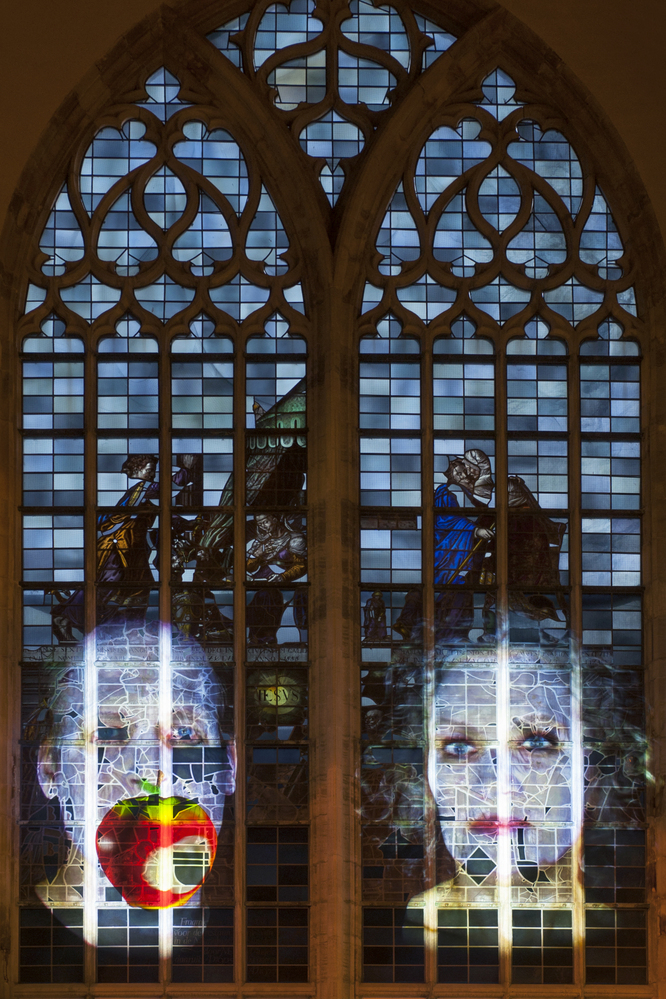
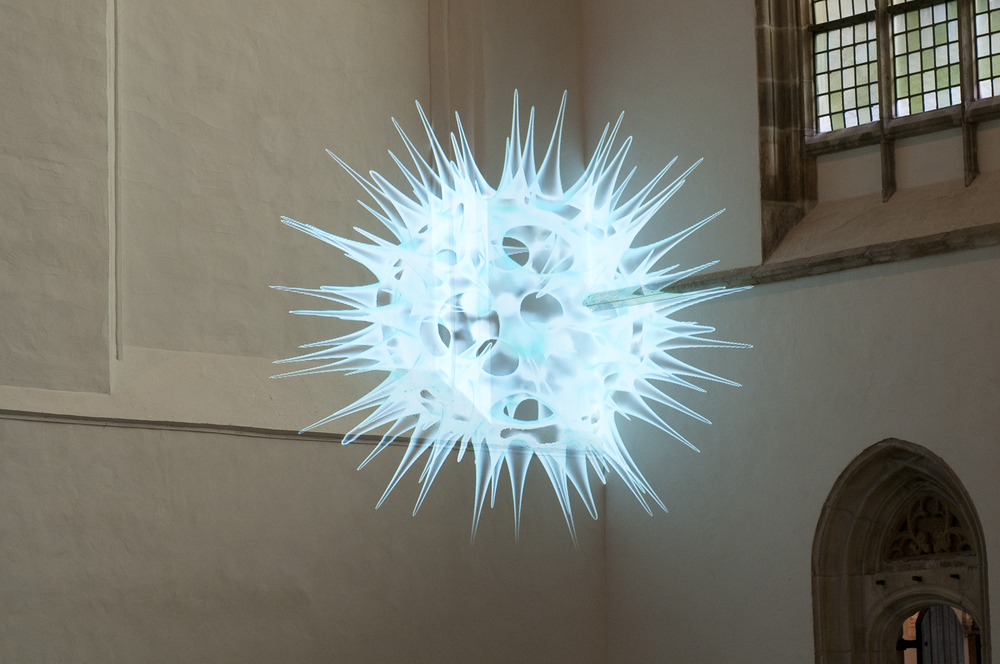
Tony Oursler 'hacked' the Oude Kerk with digitally projected performances that highlighted the evolving nature of the architecture and cultural use of the landmark building. Media technology has unleashed a revolution that is quietly making its way into our lives and society. Oursler questioned how this development is changing existing narratives and ways of thinking. The audience witnessed the pairing of digital and historical images, prompting them to reflect on the assumed truths behind each individual image.
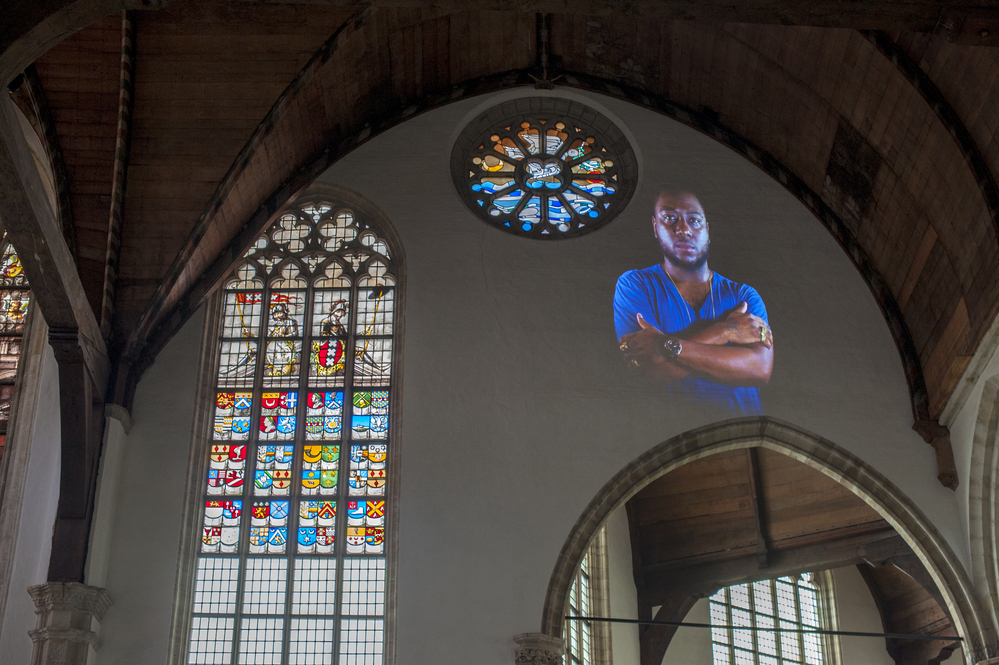
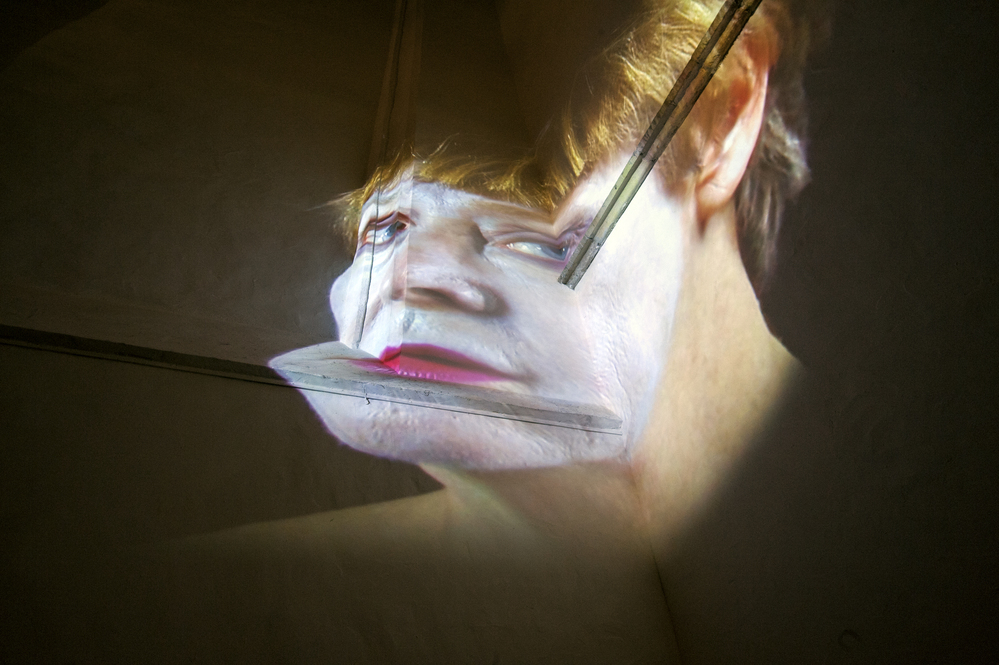
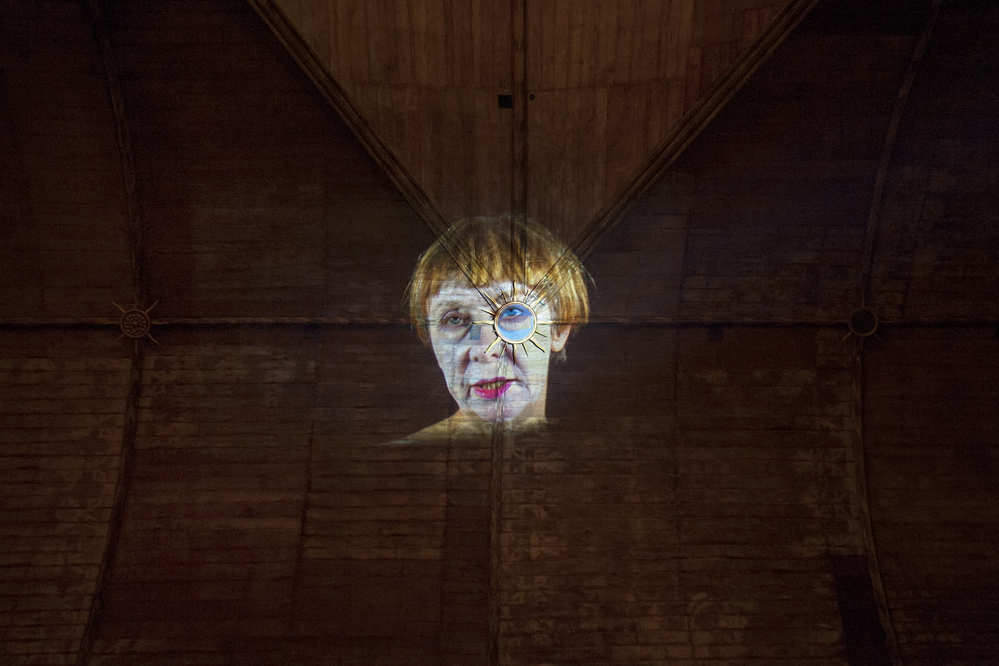
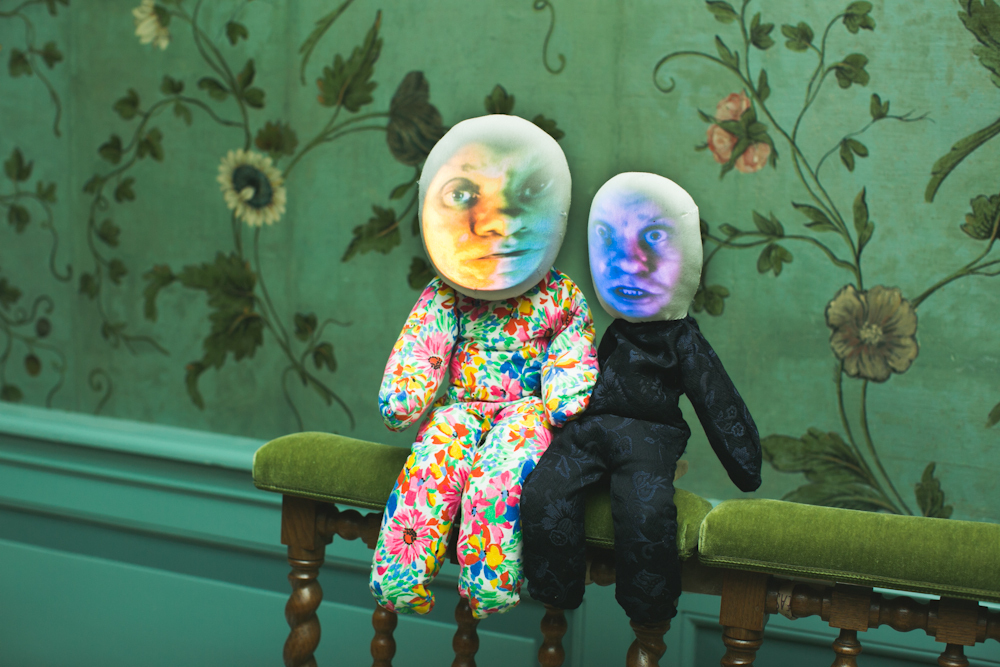
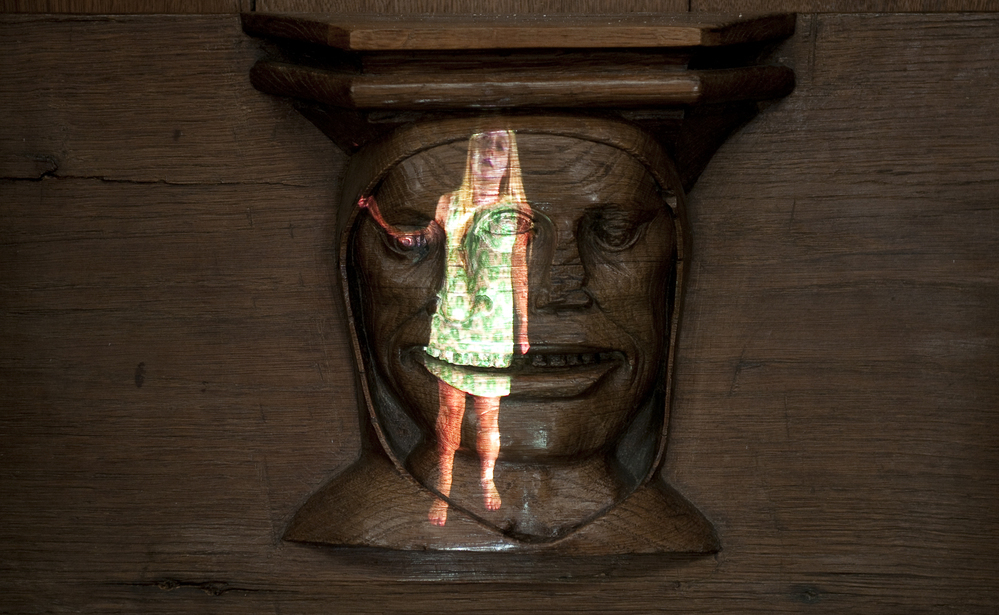
The face is a key element in Oursler's work. He is interested in how faces convey emotions and messages and whether machines are capable of doing the same. In one installation, four speakers shared fragmented anecdotes and musings in close-ups. In another installation, faces were projected onto the wooden ceiling of the Oude Kerk.
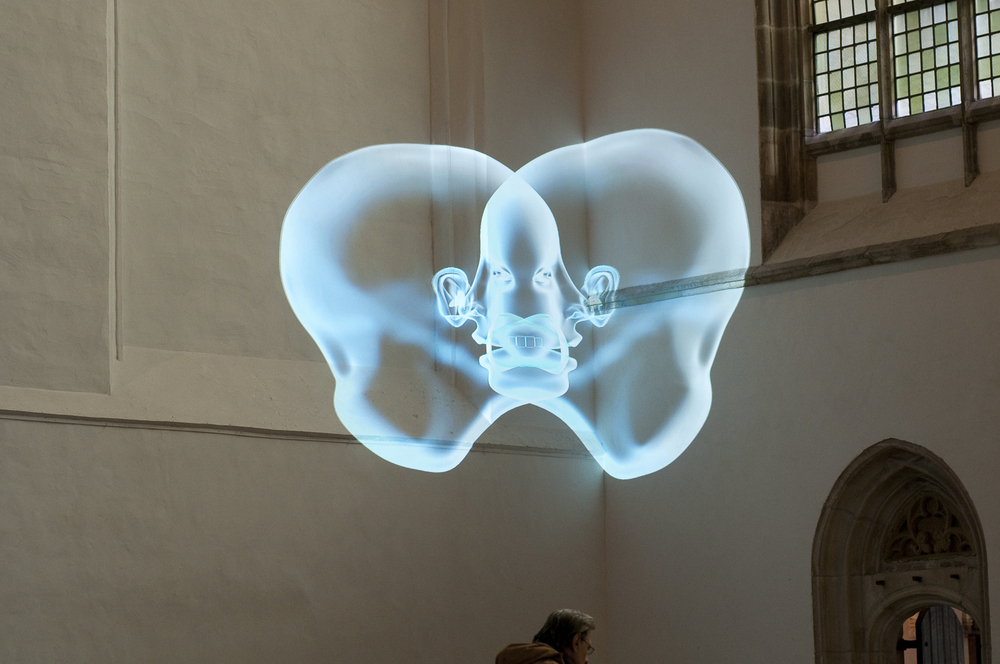
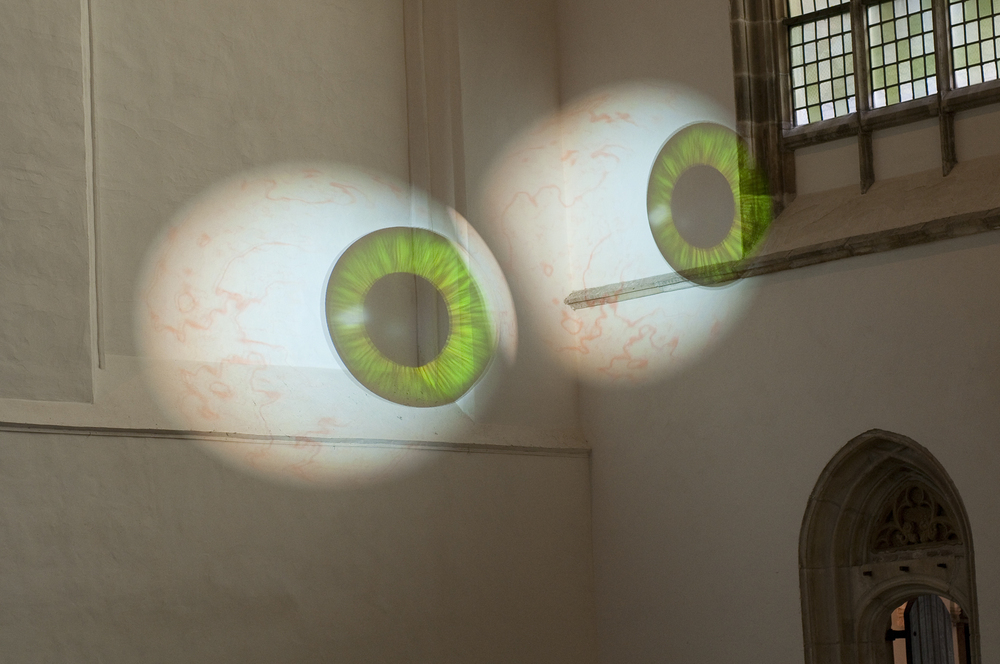
In yet another, a video was shown of two people performing a poetic cacophony of texts written by the artist. The texts were based on his research on Alan Turing, who was at the cradle of our digital revolution. In the projections, visitors could sense aspects of his life and work in a non-linear way. Oursler condensed and fragmented the story into a collection of visions, ghostly creatures and half-human beings. Two video performances in the High Choir showed two sides of the digital revolution. One video was about control and loss of control slowly coincided over time, creating coherence between human input and digital output. The other seemed more human, full of emotions and words of defiance. Being hacked was clearly not a voluntary choice for everyone.
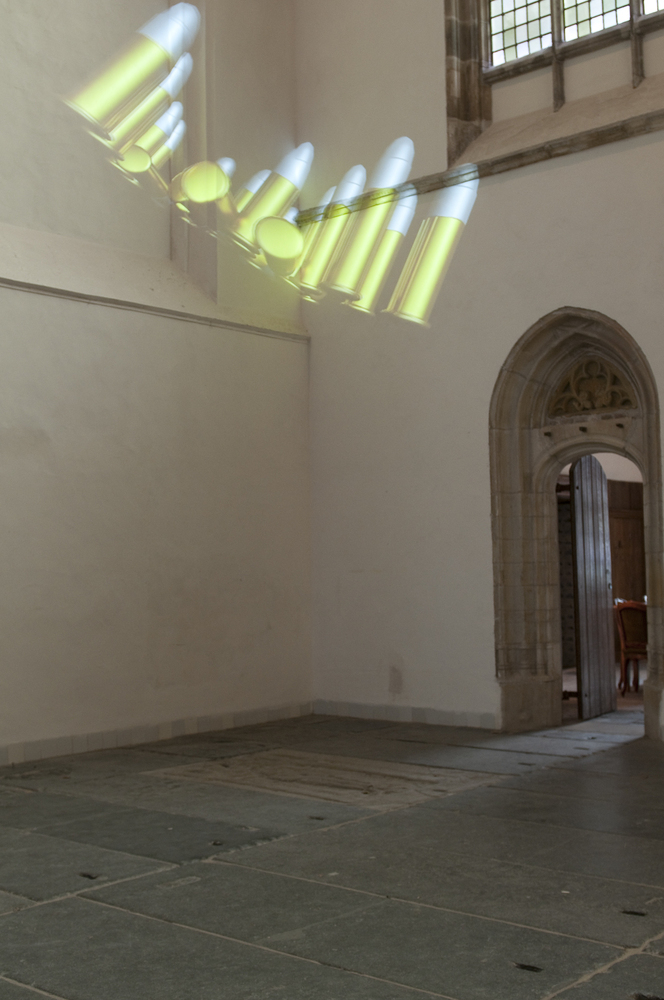
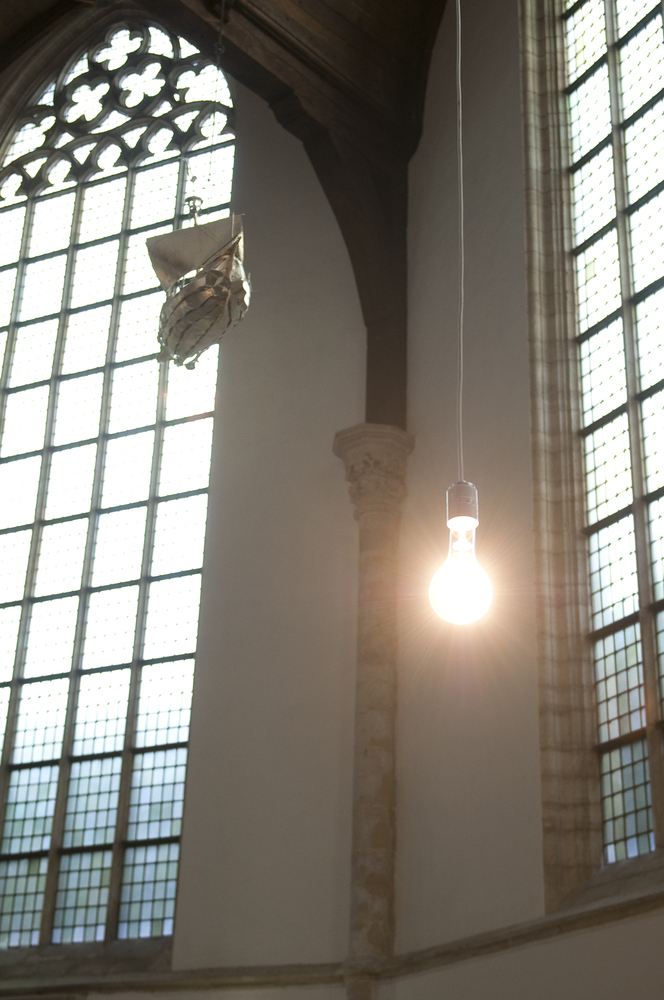
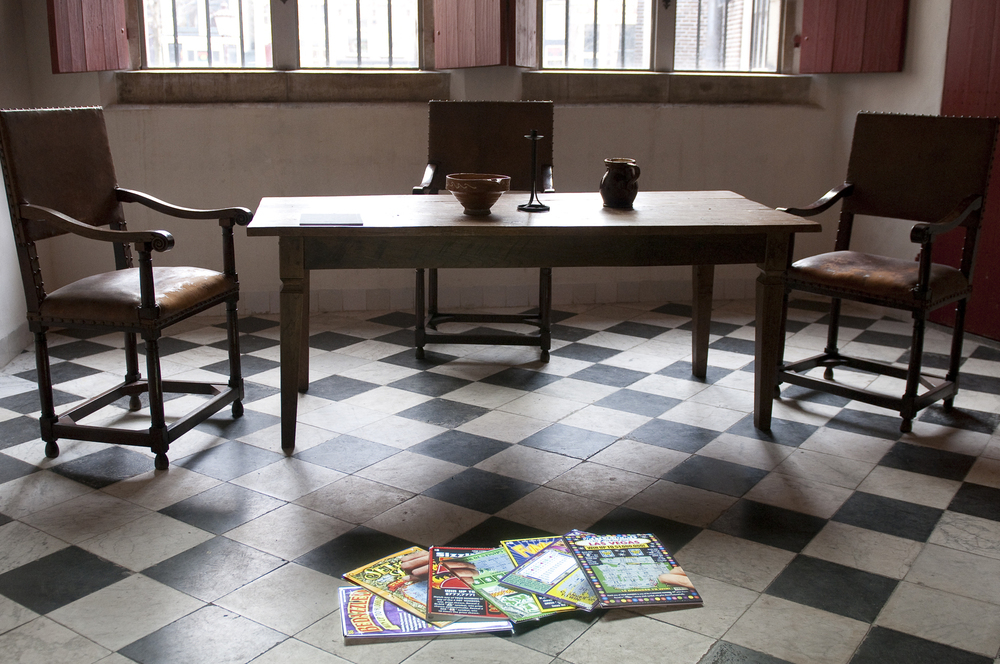
Finally, Oursler showed two sculptural elements. Three lottery cards, the size of toddler pools, vibrated under the massive hand of a scratch gambler. The gaudy objects and their nervous fluttering ridiculed a hopeless habit. He also created a simple lazy modulated light. In a way, light was worked according to a simple equation: the louder or softer the sound, the brighter or weaker the light. This was based on the observation that when we stare at our screens, we are invited to believe the digitally constructed image as we produce it ourselves. The moving image consists of points of light and points of darkness; only our belief in its existence makes the image a new reality.
| Artist | Oursler, Tony |
| Curator | Grandjean, Jacqueline |
| Performer | Ma, Phyllis Fletcher, Jim DeJong, Constance Gibbons, Joe Stanton, Holly Show more |
| Period |
21st century
(27-11-2014 – 29-03-2015) |
| Location | Oude Kerk |
I/O Underflow
Tony Oursler 'hacked' the Oude Kerk with digitally projected performances that highlighted the evolving nature of the architecture and cultural use of the landmark building. Media technology has unleashed a revolution that is quietly making its way into our lives and society. Oursler questioned how this development is changing existing narratives and ways of thinking. The audience witnessed the pairing of digital and historical images, prompting them to reflect on the assumed truths behind each individual image.
The face is a key element in Oursler's work. He is interested in how faces convey emotions and messages and whether machines are capable of doing the same. In one installation, four speakers shared fragmented anecdotes and musings in close-ups. In another installation, faces were projected onto the wooden ceiling of the Oude Kerk.
In yet another, a video was shown of two people performing a poetic cacophony of texts written by the artist. The texts were based on his research on Alan Turing, who was at the cradle of our digital revolution. In the projections, visitors could sense aspects of his life and work in a non-linear way. Oursler condensed and fragmented the story into a collection of visions, ghostly creatures and half-human beings. Two video performances in the High Choir showed two sides of the digital revolution. One video was about control and loss of control slowly coincided over time, creating coherence between human input and digital output. The other seemed more human, full of emotions and words of defiance. Being hacked was clearly not a voluntary choice for everyone.
Finally, Oursler showed two sculptural elements. Three lottery cards, the size of toddler pools, vibrated under the massive hand of a scratch gambler. The gaudy objects and their nervous fluttering ridiculed a hopeless habit. He also created a simple lazy modulated light. In a way, light was worked according to a simple equation: the louder or softer the sound, the brighter or weaker the light. This was based on the observation that when we stare at our screens, we are invited to believe the digitally constructed image as we produce it ourselves. The moving image consists of points of light and points of darkness; only our belief in its existence makes the image a new reality.
Gallery
Connections
Explore the elements of the work
Read more
Read more
Read more
Read more
Read more
Read more
Read more
Read more
Read more
Read more
Read more
Identifiers and references
| Oude kerk Adlib Collect priref | 2113 |