Monuments
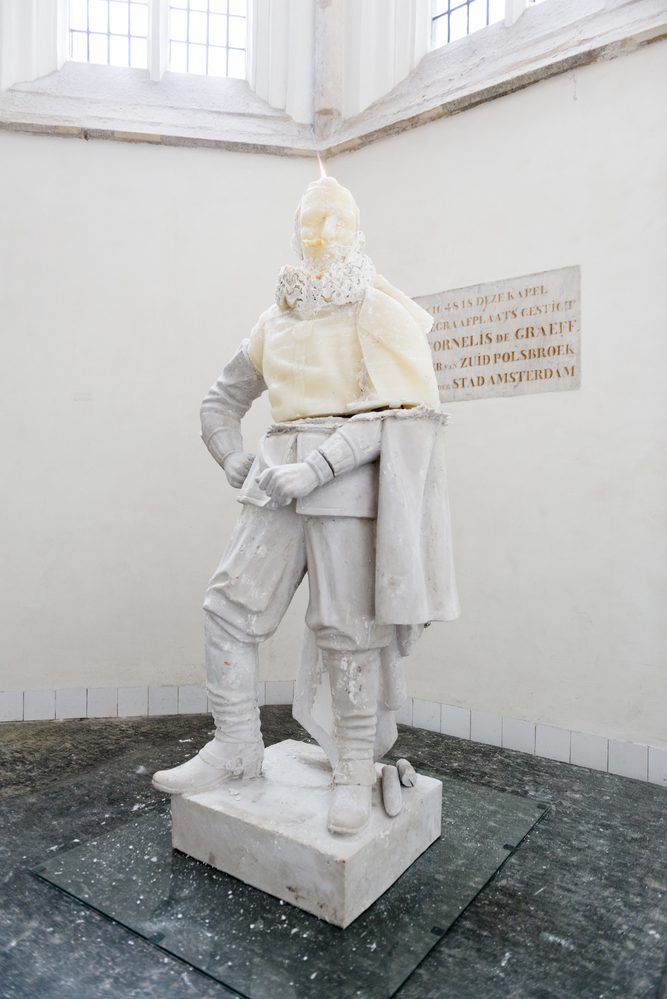
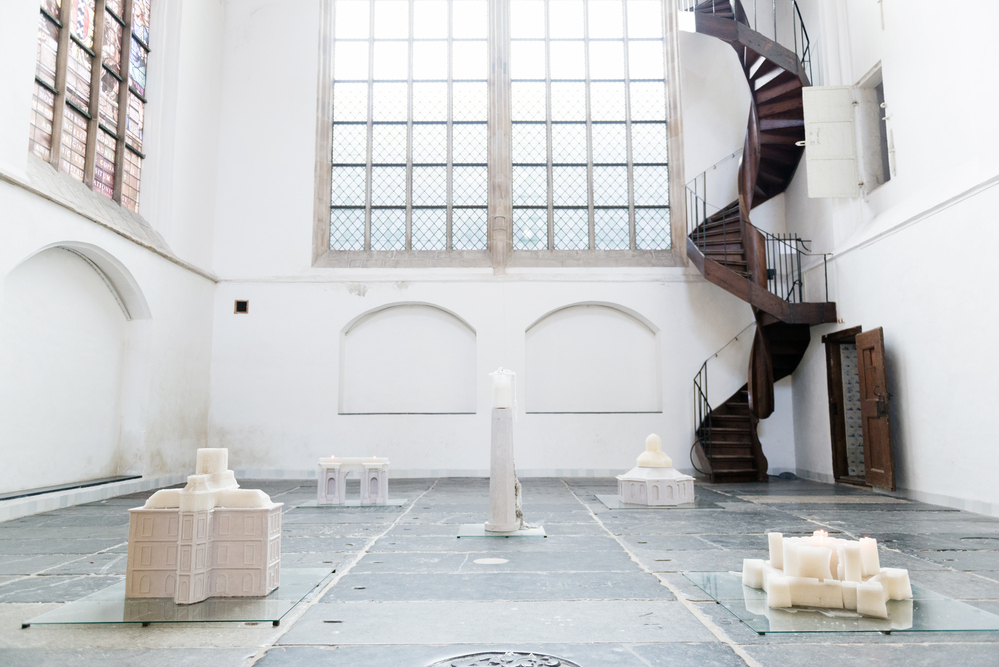
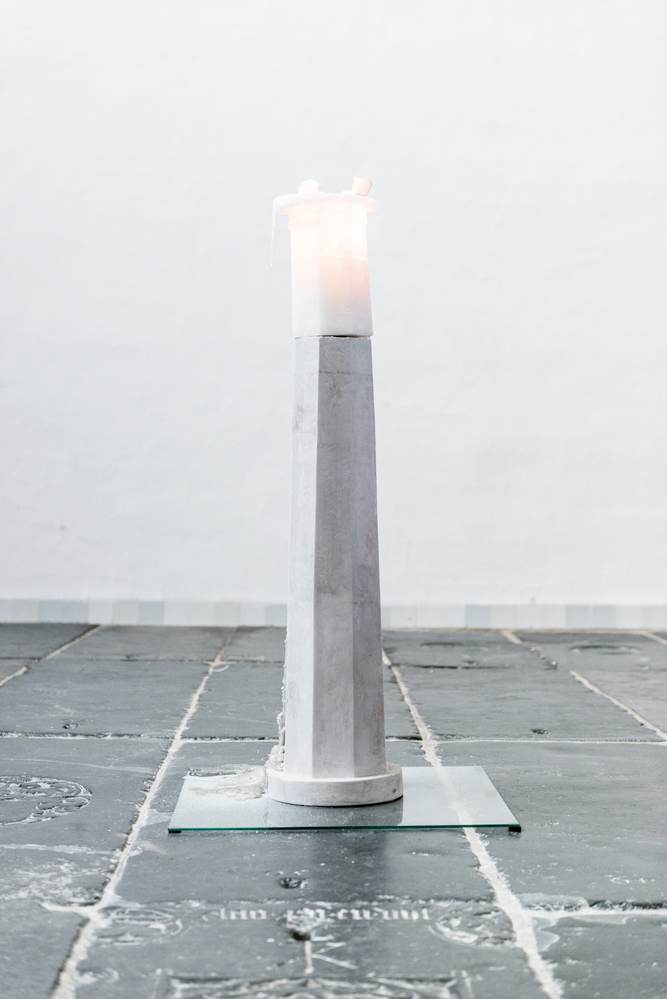
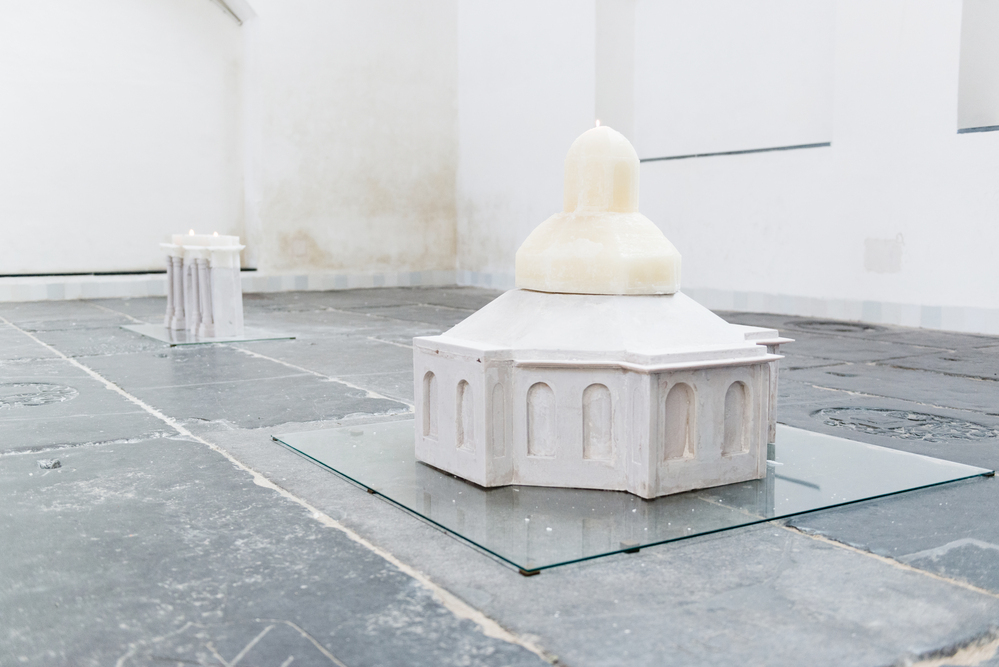
Indonesian artist Iswanto Hartono developed a site-specific installation for the Oude Kerk as part of Europalia Indonesia. In several works, he explored the relationship between Indonesian history and the imagery of Dutch colonialism, traces of which can also be found in the Oude Kerk. Some graves and grave monuments are dedicated to key figures from that period, former lauded 'naval heroes' for example. It was these men who became national heroes, becoming symbols of experiencing and judging 'others' based on one's own cultural perspective. Hartono questioned these monuments by comparing them to uprooted monuments in Banda (Moluccas), Batavia and Sumatra (in the former Dutch East Indies, now Indonesia), which had been erected by the Dutch to remember and commemorate outside the context of colonised cultures. What exactly do they remember? The horrific annexation, slavery and oppression? Or merely the presence of the ruler? Hartono gave his own interpretation of his country's history with the work.
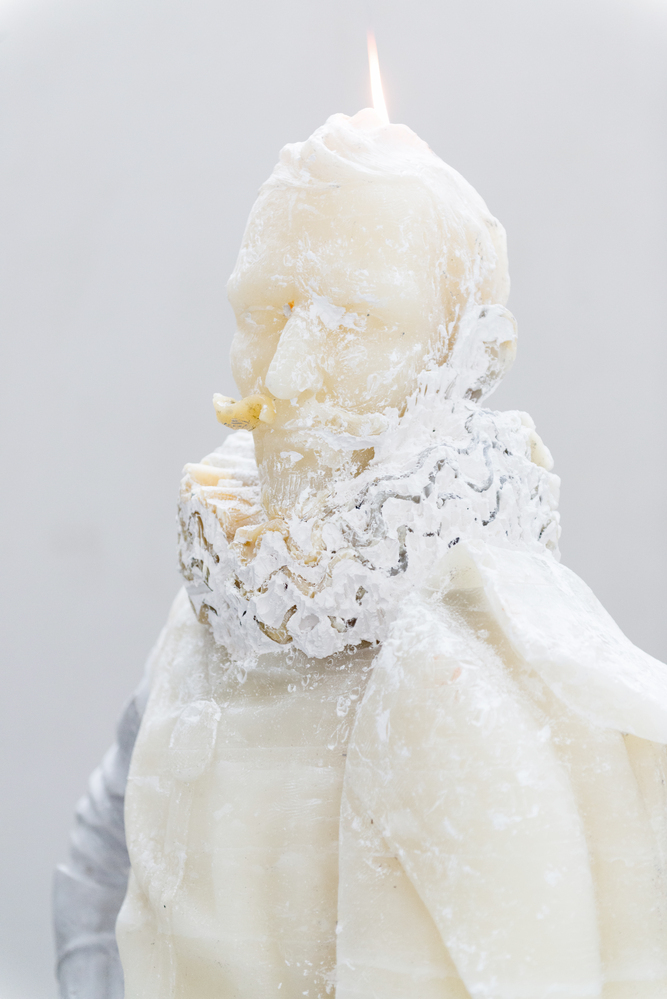
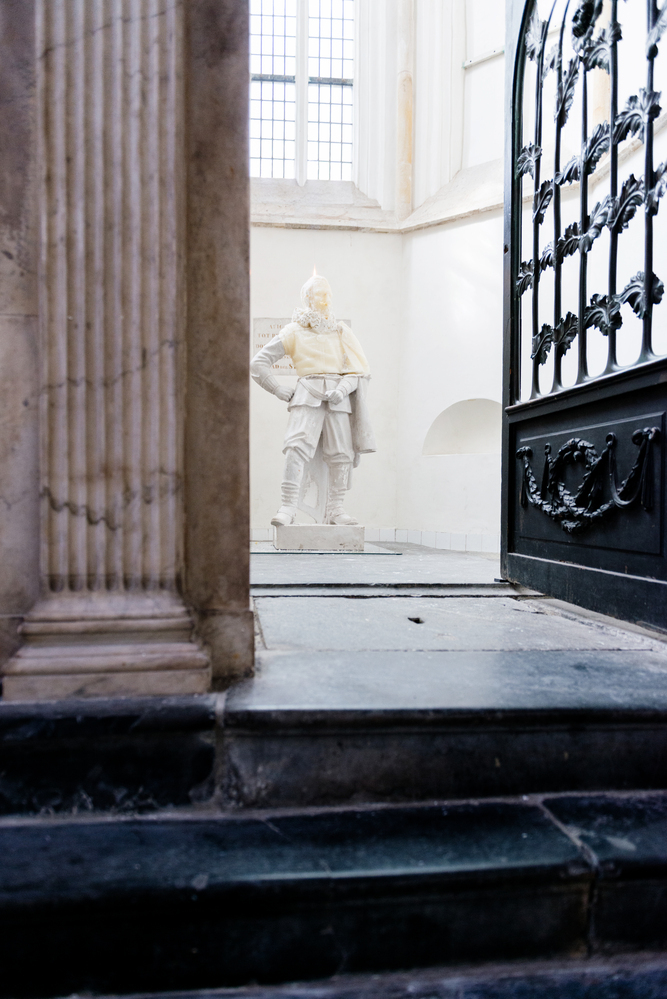
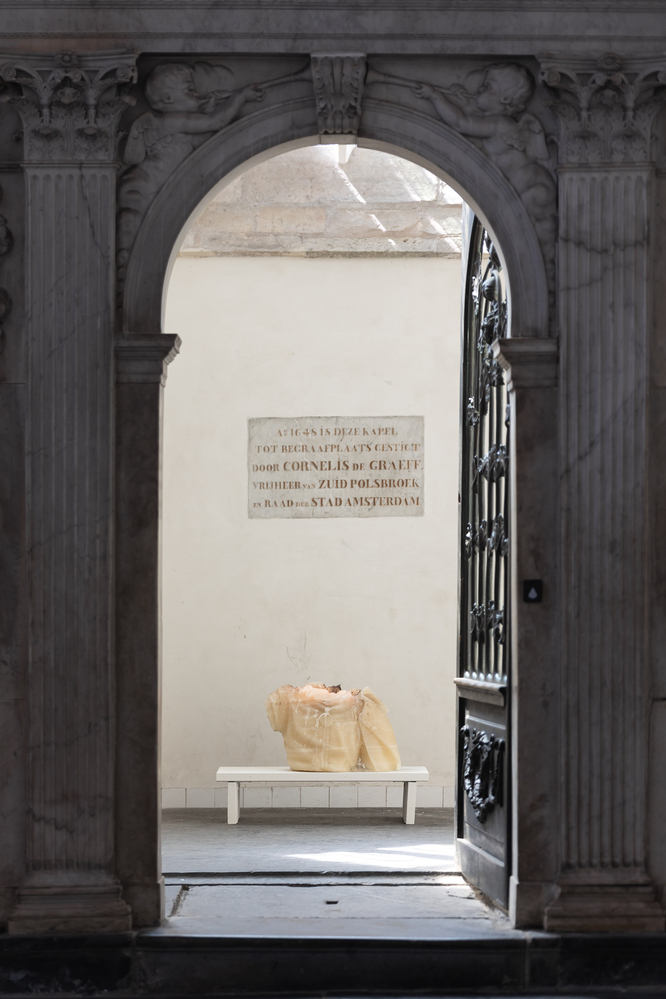
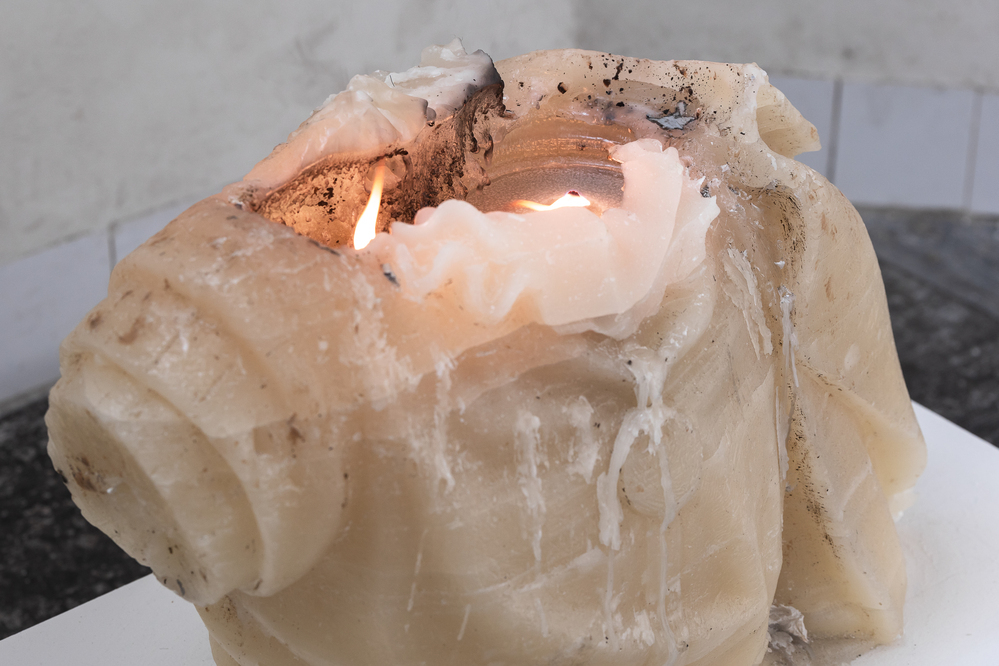
One of the works disappeared during the exhibition: a portrait in wax of J.P. Coen that was slowly burning up. Coen was a Dutch merchant and governor with the VOC who sailed to the East in the 17th century. In Indonesia, he was also called the executioner of Banda because he committed a terrible genocide there. The statue was made of paraffin. So it was like a candle. Slowly, the statue burned up. remembering and forgetting are not separate, according to the artist: 'in order to forget, we must first remember'.
| Artist | Hartono, Iswanto |
| Curator | Grandjean, Jacqueline |
| Period |
21st century
(29-09-2017 – 14-11-2017) |
| Location | Oude Kerk |
Monuments
Indonesian artist Iswanto Hartono developed a site-specific installation for the Oude Kerk as part of Europalia Indonesia. In several works, he explored the relationship between Indonesian history and the imagery of Dutch colonialism, traces of which can also be found in the Oude Kerk. Some graves and grave monuments are dedicated to key figures from that period, former lauded 'naval heroes' for example. It was these men who became national heroes, becoming symbols of experiencing and judging 'others' based on one's own cultural perspective. Hartono questioned these monuments by comparing them to uprooted monuments in Banda (Moluccas), Batavia and Sumatra (in the former Dutch East Indies, now Indonesia), which had been erected by the Dutch to remember and commemorate outside the context of colonised cultures. What exactly do they remember? The horrific annexation, slavery and oppression? Or merely the presence of the ruler? Hartono gave his own interpretation of his country's history with the work.
One of the works disappeared during the exhibition: a portrait in wax of J.P. Coen that was slowly burning up. Coen was a Dutch merchant and governor with the VOC who sailed to the East in the 17th century. In Indonesia, he was also called the executioner of Banda because he committed a terrible genocide there. The statue was made of paraffin. So it was like a candle. Slowly, the statue burned up. remembering and forgetting are not separate, according to the artist: 'in order to forget, we must first remember'.
Gallery
Connections
Explore the elements of the work
Read more
Read more
Read more
Identifiers and references
| Oude kerk Adlib Collect priref | 2150 |