When Doubt Turns Into Destiny: NN XXX
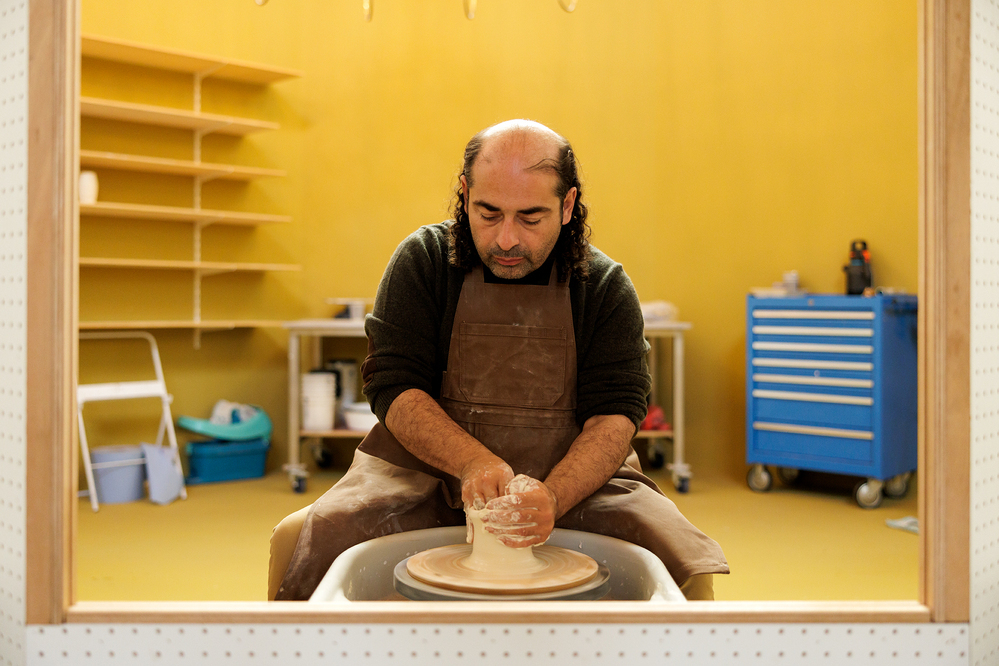
During the exhibition, Nuur will make 100 vases in the Oude Kerk. For the clay, he will grind raw materials he collects from all over Amsterdam, which celebrates its 750th anniversary in 2025. He ventures into the city weekly to find the right minerals and raw materials.
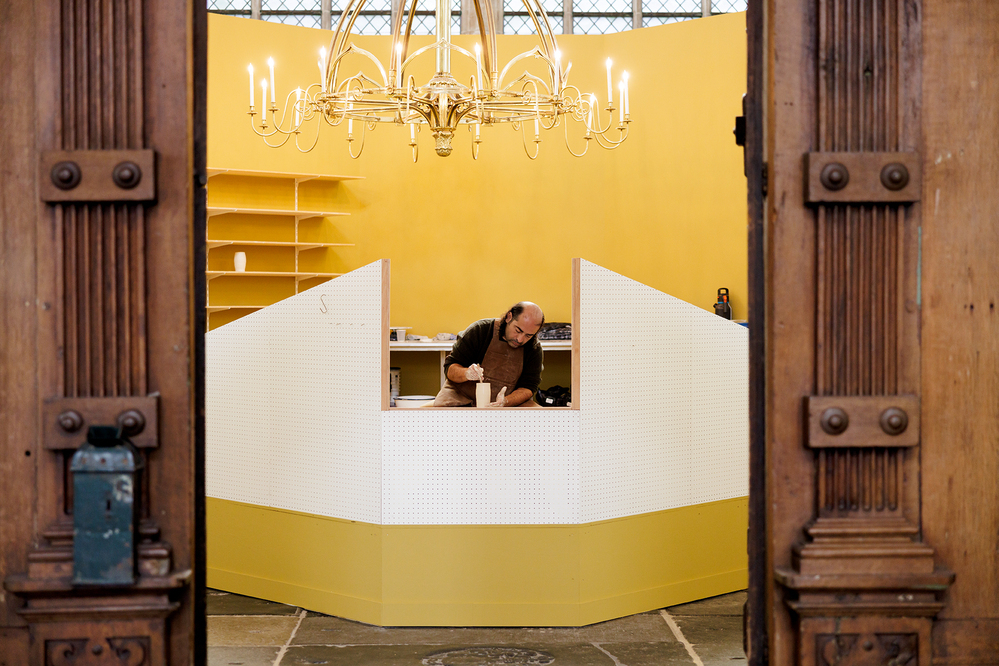
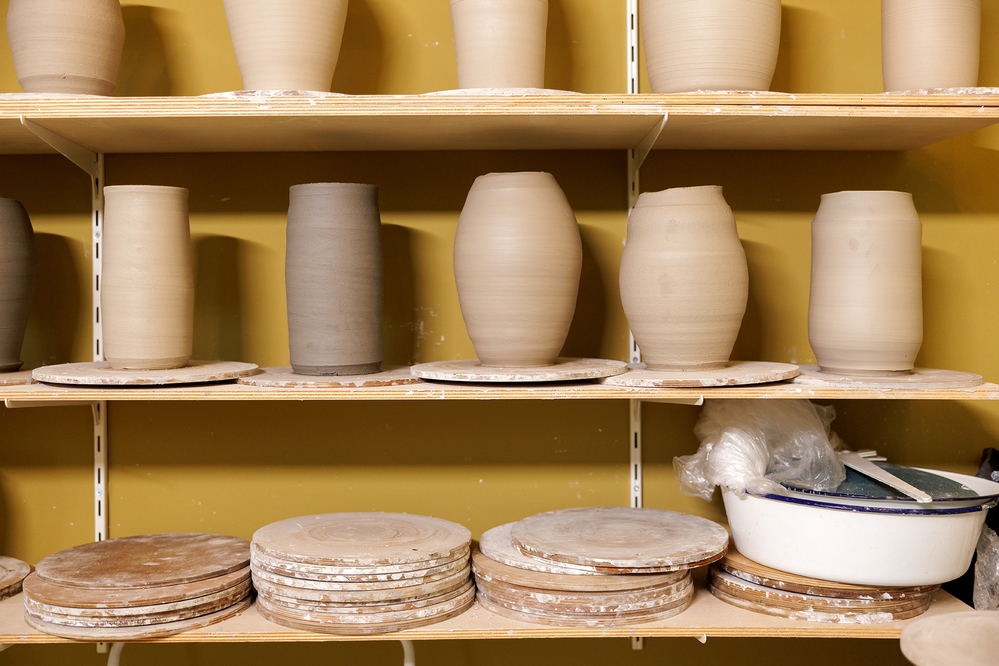
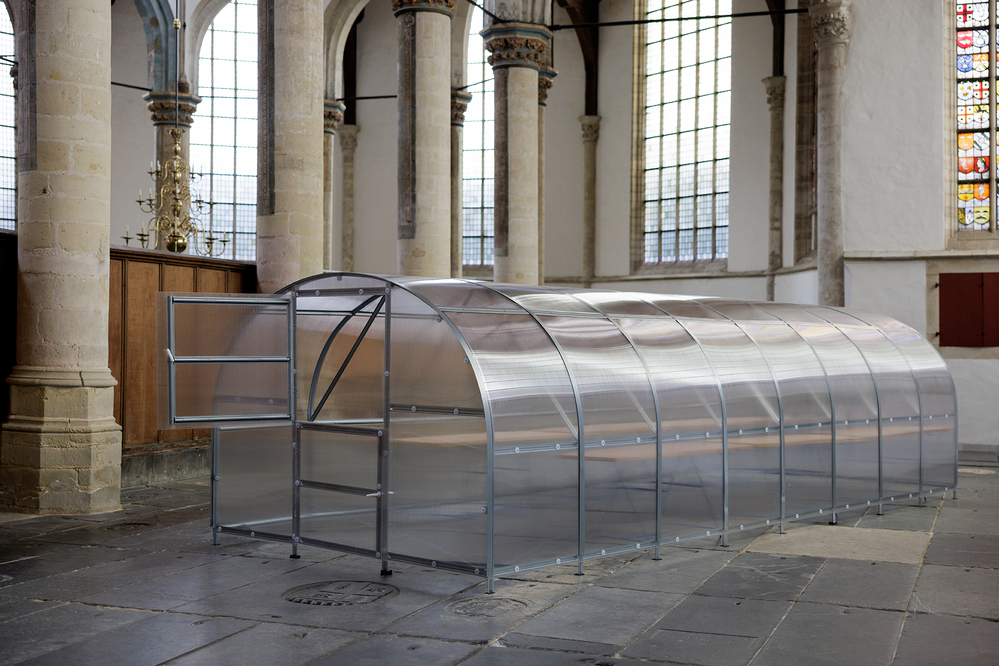
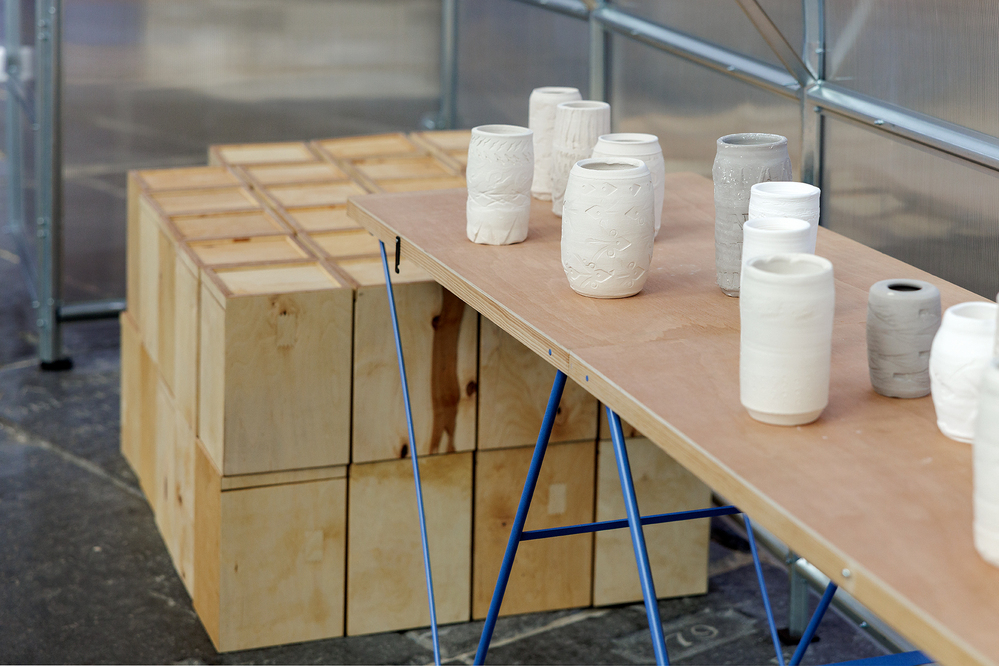
The St. Sebastian’s Chapel serves as the workshop where inner and outer worlds meet. This is where Nuur preserves, researches, and prepares. He mixes different types of clay with the minerals and raw materials he collects, infusing the city’s soul into the clay like a conceptual alchemist. The creation process unfolds in the workshop, drying conservatory, and grinding room. The long hours in the workshop, the patient grinding of clay and minerals in the grinding room, and the weeks of drying in the conservatory finally come together in a hand-formed treasure: the vase. Nuur imprints the unfinished vessels by pressing them against façades and street furniture, taking literal impressions of the city. Traces of the city and the passage of time become visible on the vases. For Nuur, the working process breathes life into the vessel, which then passes this energy on to the recipient.
On the exhibition’s final weekend, the city vases will be stored in the St. Sebastian’s Chapel, where an iron door five metres up a wall leads to the Iron Chapel. This chapel served as the city vault from 1515 to 1892. Starting in 2025, the Iron Chapel will again function as a vault, this time for Nuur’s vases.
Each year, a city vase from the chapel will be auctioned off. The Oude Kerk will use the proceeds to provide a space for creative experimentation and to keep art and culture alive – in all its future manifestations – in the church. Only in 2125, when Amsterdam celebrates its 850th anniversary, will all the city vases have left the church, and the project will be complete.
| Artist | Nuur, Navid |
| Period |
21st century
(2125) |
| Location | Sint-Sebastiaanskapel |
When Doubt Turns Into Destiny: NN XXX
During the exhibition, Nuur will make 100 vases in the Oude Kerk. For the clay, he will grind raw materials he collects from all over Amsterdam, which celebrates its 750th anniversary in 2025. He ventures into the city weekly to find the right minerals and raw materials.
The St. Sebastian’s Chapel serves as the workshop where inner and outer worlds meet. This is where Nuur preserves, researches, and prepares. He mixes different types of clay with the minerals and raw materials he collects, infusing the city’s soul into the clay like a conceptual alchemist. The creation process unfolds in the workshop, drying conservatory, and grinding room. The long hours in the workshop, the patient grinding of clay and minerals in the grinding room, and the weeks of drying in the conservatory finally come together in a hand-formed treasure: the vase. Nuur imprints the unfinished vessels by pressing them against façades and street furniture, taking literal impressions of the city. Traces of the city and the passage of time become visible on the vases. For Nuur, the working process breathes life into the vessel, which then passes this energy on to the recipient.
On the exhibition’s final weekend, the city vases will be stored in the St. Sebastian’s Chapel, where an iron door five metres up a wall leads to the Iron Chapel. This chapel served as the city vault from 1515 to 1892. Starting in 2025, the Iron Chapel will again function as a vault, this time for Nuur’s vases.
Each year, a city vase from the chapel will be auctioned off. The Oude Kerk will use the proceeds to provide a space for creative experimentation and to keep art and culture alive – in all its future manifestations – in the church. Only in 2125, when Amsterdam celebrates its 850th anniversary, will all the city vases have left the church, and the project will be complete.
Gallery
Connections
Part of
Read more
Identifiers and references
| Oude kerk Adlib Collect priref | 2430 |